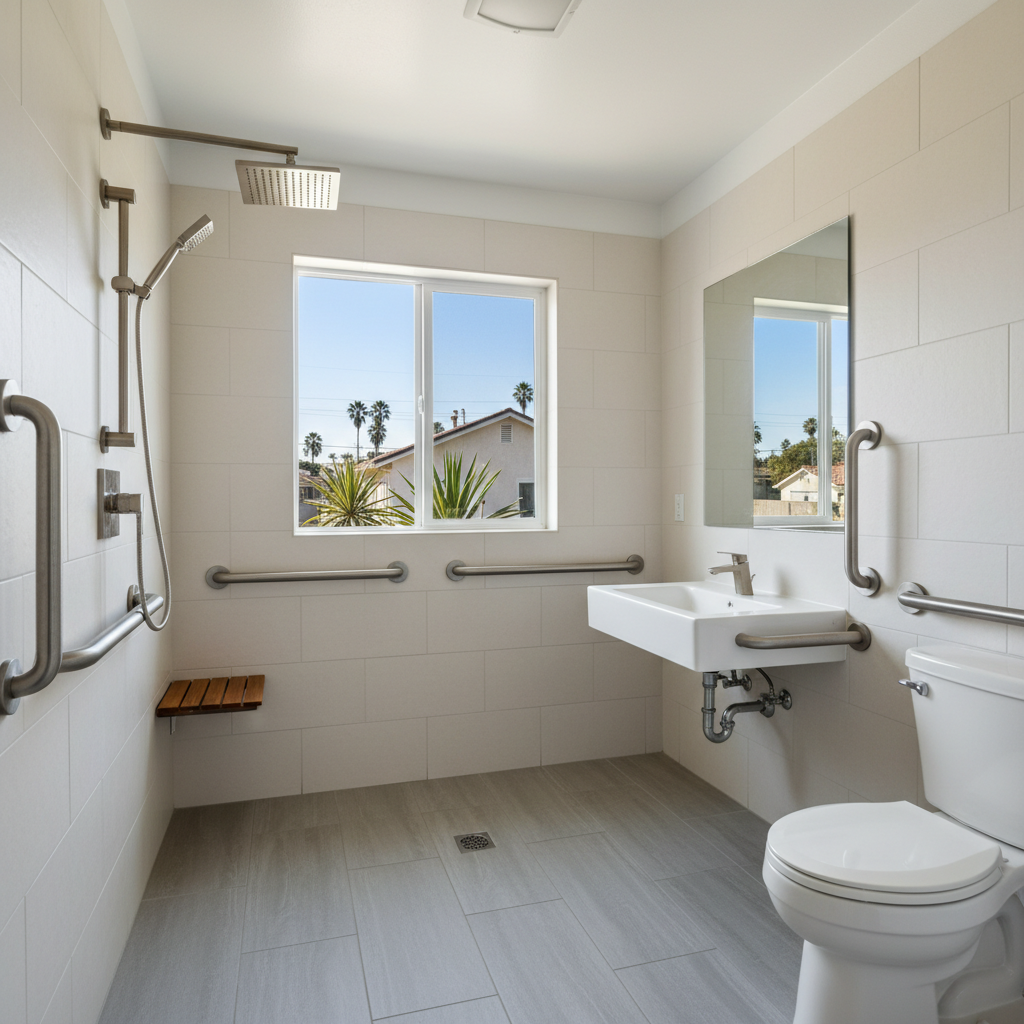
Thinking about making your bathroom more accessible? That's a smart move, whether it's for yourself, a family member, or just future-proofing your home. But I've seen a lot of folks in Long Beach stumble when they get into these projects, and it usually comes down to a few key mistakes. You want a bathroom that works, right? Not one that causes more headaches.
Mistake #1: Not Really Understanding Accessibility Standards
This is probably the biggest one. People often think 'accessible' just means a grab bar and maybe a wider door. And sure, those are parts of it, but it's way more involved. There are actual guidelines, like ADA standards, that dictate things like turning radius for wheelchairs, toilet height, shower pan dimensions, and even the placement of controls. You don't want to guess here. I've had to come in and fix jobs where a homeowner thought they saved money by just having a handyman put in some grab bars, only to find out they were installed at the wrong height or couldn't support enough weight. That's not just inconvenient; it's dangerous.
You need to think about the whole picture. Can a wheelchair actually get into the shower? Is there enough clear floor space around the toilet? Are the fixtures easy to reach and operate? Don't just eyeball it. Get someone who knows these standards inside and out. It'll save you a ton of grief and potential liability down the road.
Mistake #2: Focusing Only on Today's Needs, Not Tomorrow's
Okay, so maybe you're doing this for an aging parent who just needs a little more stability now. That's great. But what if their needs change in five years? Or what if you're planning for your own future? A lot of folks design for the immediate problem, and then they're back at square one a few years later. Think about universal design principles. Can you install blocking in the walls now for grab bars that might be needed later, even if you don't put the bars up today? Can you put in a zero-threshold shower that's easy to walk into now, but also perfect for a wheelchair later?
It's about making smart choices that adapt. For instance, in some of the older Craftsman homes around Belmont Heights, the bathrooms can be pretty tight. You might need to consider reconfiguring the layout entirely, or even expanding into an adjacent closet, to truly create a functional space that will serve you for years, not just months.
Mistake #3: Skimping on the Contractor (or Going DIY on Critical Stuff)
Look, I get it. Renovations are expensive. But this isn't the place to cut corners by hiring the cheapest guy you can find on Craigslist or trying to do everything yourself if you're not experienced. Accessible renovations often involve structural changes, plumbing modifications, and electrical work. You need someone licensed, insured, and with a proven track record in accessible design.
I've seen DIY shower installs where the pan wasn't properly sloped, leading to standing water and mold issues. Or grab bars that pulled right out of the wall because they weren't anchored into studs. These aren't just cosmetic problems; they're safety hazards. A good contractor, like us at Long Beach Bathroom Solutions, will understand the specific requirements, pull the right permits, and ensure everything is up to code and built to last. You're investing in your safety and independence; don't compromise on the expertise.
Mistake #4: Not Considering the Whole Home Experience
An accessible bathroom is fantastic, but what about getting to it? I've seen beautiful accessible bathrooms installed, only to find out the doorway leading to it is too narrow for a wheelchair, or there are steps leading up to the house that haven't been addressed. It's like buying a fancy car but having no gas. You need to think about the path of travel.
Are the hallways wide enough? Are there thresholds that could be trip hazards? Is there enough maneuvering space outside the bathroom door? Sometimes, the bathroom itself is only part of the solution. A good contractor will ask you about these things and help you think through the entire journey, not just the room itself.
Getting an accessible bathroom right isn't just about ticking boxes; it's about creating a space that genuinely improves quality of life and offers true independence. Do your homework, ask the tough questions, and work with professionals who understand the nuances. You'll be glad you did.