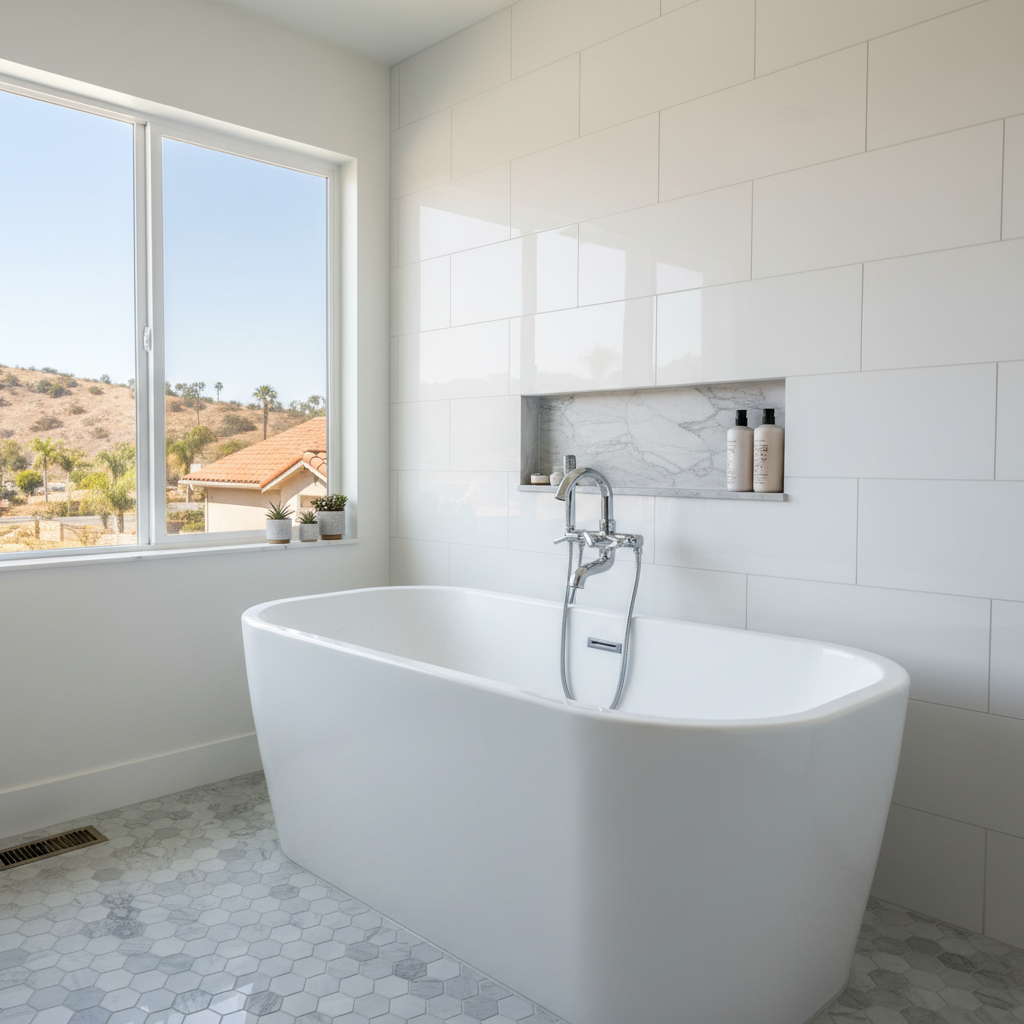
You're thinking about a new bathtub, maybe swapping out that old fiberglass unit for something more modern or easier to get into. That's great! But before you dive in, let's chat about timing, especially here in Long Beach. Our weather, even with all that sunshine, still has its little quirks that can actually make a difference for your project.
When's the Best Time for a Bathtub Swap?
Honestly, you can replace a bathtub pretty much any time of year. We don't exactly get blizzards or anything wild that would completely shut down a job. But if you're asking me for the absolute perfect window, I'd probably lean towards late spring or early fall. Why those times?
Comfort for You: During these seasons, temperatures are usually just right. We're not wrestling with the sticky humidity of August or the occasional chill of January. This means less disruption to your home's internal climate while we've got things opened up. No blasting the AC or cranking the heat just to keep your house livable for a few days, you know?
Materials Just Work Better: Sure, most modern materials are pretty stable, but extreme temperatures can sometimes mess with things like adhesives, sealants, and even how long certain compounds take to cure. Mild weather just makes everything go smoother, helping us get that perfect set and finish.
Less Rain Risk: We don't get a ton of rain, but when it does hit, it can be a real pain. Hauling materials in and out, especially if we're working on a second-story bathroom, is just easier and safer when it's dry. Plus, less chance of tracking mud into your house, which is always a win.
How Long Beach Weather Affects the Job
So, what exactly does our Long Beach weather do to a bathtub replacement? It's usually not a showstopper, but it definitely influences how we approach things.
Take our marine layer, for example. We get those foggy, damp mornings, especially in May and June. While it usually burns off, that initial humidity can slow down drying times for things like thin-set mortar if we're tiling around the tub, or even paint if you're touching up walls. It's not a huge deal, but it means we might need to tweak schedules a bit to let things properly cure. You really don't want to rush that stuff; it's how you get a finish that actually lasts.
Then there's the summer heat. Even though we're right on the coast, those heat waves can push temperatures into the 90s. Working in a bathroom, especially when we're demoing an old tub, gets hot. It means we'll be taking more breaks, staying hydrated, and maybe starting a bit earlier in the day to beat the worst of it. It doesn't stop the job, but it can make it a little more grueling for my crew.
And don't forget the Santa Ana winds. When those kick up, usually in the fall, they bring dry, hot air. If we're doing any exterior work or need to ventilate, those winds can actually be helpful for drying things out quickly. But they can also kick up a lot of dust, so we're extra careful about sealing off the work area to keep your home clean.
Protecting Your Investment Year-Round
Once your beautiful new bathtub is in, you want it to last, right? Here's how you protect that investment, no matter the season:
Regular Cleaning: This sounds obvious, but it's the absolute best thing you can do. Use non-abrasive cleaners, please. Harsh chemicals can damage finishes over time. A simple dish soap and water solution often does the trick for daily grime.
Watch for Leaks: Our homes here, especially some of the older bungalows in Belmont Shore or Alamitos Beach, can settle. That movement, combined with regular use, means you should always keep an eye out for drips or puddles around the tub or faucet. Catching a small leak early can save you from a major headache down the road. Water damage is no joke, and it's far more common than you'd think.
Proper Ventilation: Long Beach can get humid, even if it doesn't always feel like it. Always run your bathroom fan during and after showers. This prevents mold and mildew buildup, which not only looks gross but can also degrade grout and caulk over time. Good air circulation is your friend.
Re-caulk as Needed: Caulk doesn't last forever, sadly. Over time, it can crack, shrink, or pull away from surfaces. When you see that happening, don't ignore it. A fresh bead of caulk is cheap and easy to apply, and it's your first line of defense against water getting where it shouldn't. I tell folks to check it once a year, maybe during their spring cleaning.
Getting a new bathtub is a great upgrade, and with a little planning around our local climate, you can make sure the installation goes smoothly and your new tub stays pristine for years. If you're ready to talk options or just have some questions, give us a shout at Long Beach Bathroom Solutions. We're always happy to help our neighbors out.