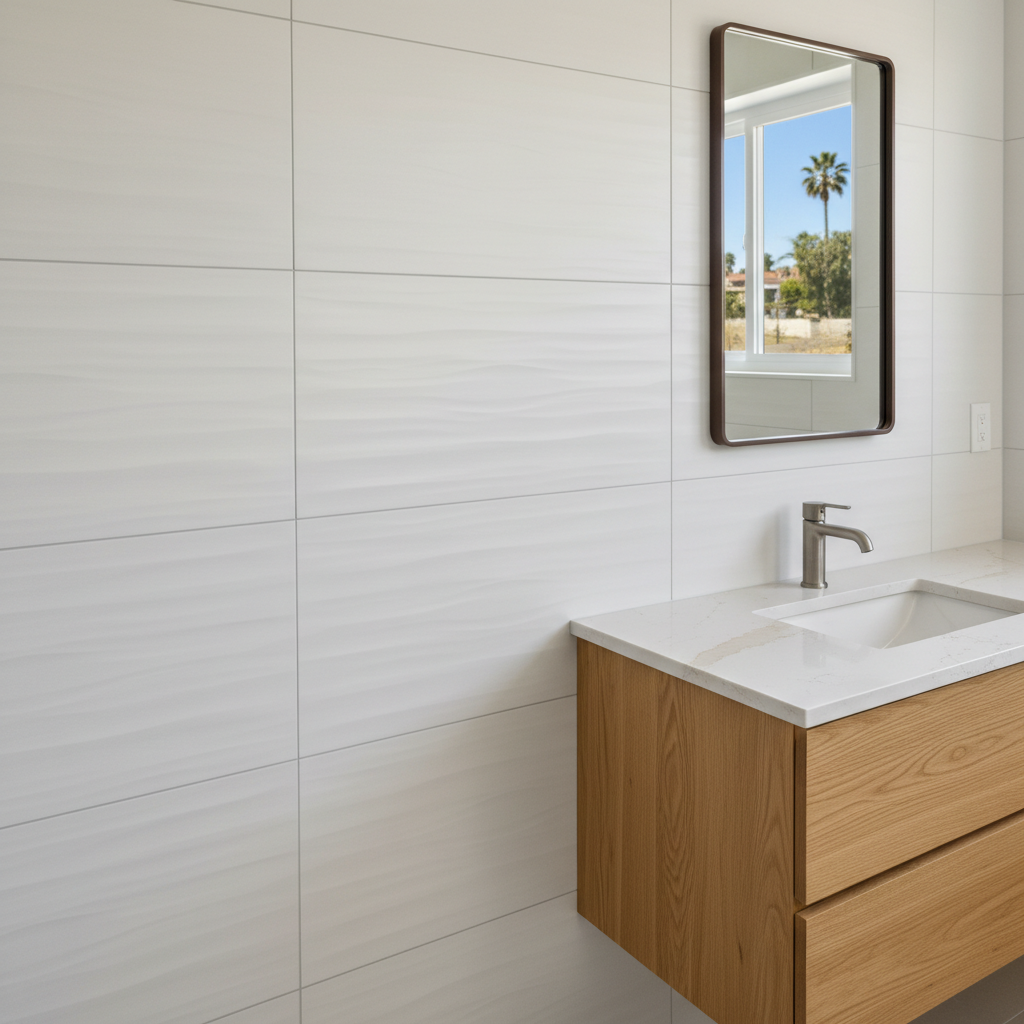
So, you're eyeing that tired old bathroom and thinking it's time for a change, huh? Happens all the time. A bathroom remodel can totally transform your home, but it's also one of those projects that can quickly get out of hand if you don't know what you're doing. As a contractor here in Long Beach, I've seen it all – the good, the bad, and the really ugly DIY attempts. Let's talk about what you need to know before, during, and after your project, and more importantly, when to pick up a hammer yourself versus when to pick up the phone and call someone like us at Long Beach Bathroom Solutions.
Before You Start: Planning is Everything
Seriously, don't even think about demo until you've got a solid plan. This isn't just about picking out pretty tiles. You need to consider your budget, your timeline, and what you actually want to achieve. Are you just refreshing the look, or are you gutting it down to the studs and moving walls? Big difference.
First, figure out your budget. Be realistic. Materials cost money, and labor costs money. Always, always, always add a 10-15% contingency fund for unexpected issues. You'd be surprised what we find behind walls, especially in some of the older Craftsman homes around Bluff Park or Belmont Heights – sometimes it's old knob and tube wiring, sometimes it's water damage you couldn't see. That contingency fund saves you from a lot of headaches later on.
Next, design. Get your ideas down. Pinterest, Houzz, whatever. But then, think about functionality. A beautiful bathroom that doesn't work for your family is just a pretty picture. Consider who uses it, how often, and what their needs are. Don't forget about storage! You'll always need more than you think.
What You Can DIY (and What You Probably Shouldn't)
This is where it gets tricky. There's a lot you can do yourself to save some cash, but there are definite lines you shouldn't cross unless you're a licensed pro or have serious experience.
Demo: Tearing stuff out? Go for it! Within reason. Just make sure you've turned off the water and power to the room first. And know what's behind the walls before you go swinging a sledgehammer. You don't want to hit a live wire or a main water line. Trust me, I've seen it happen.
Painting: Absolutely. This is a great way to save money and add your personal touch. Just prep properly – clean, sand, prime – and use good quality paint designed for bathrooms. That humidity can be brutal on cheap paint.
Tiling: This one's a maybe. If you're doing a small, simple area, like a backsplash, and you're patient, you can probably manage. But floors, especially large ones, or shower walls? That's where things can go wrong fast. Uneven tiles, poor waterproofing, bad grout lines – it all screams